
Strong Bones, Strong Life
Essential nutrition strategies for aging men to maintain bone density, prevent fractures, and support active independence throughout your years.
Our editorial team explores the science-backed nutrients, dietary patterns, and lifestyle factors that keep your skeletal system resilient and strong.
- Calcium, magnesium, and vitamin D optimization
- Resistance training and weight-bearing exercises
- Protein intake and amino acid balance
- Lifestyle habits that support skeletal health

The information on this site is for educational purposes only and does not constitute medical advice. Always consult a qualified healthcare professional before making health decisions.
Key Nutrients for Bone Density
Understanding which nutrients matter most helps you make informed dietary choices to support bone strength and overall health.
Calcium & Phosphorus
The foundation minerals that make up your bone matrix. Adequate calcium intake from dietary sources or supplementation is critical for maintaining bone mass as you age.
Vitamin D & K
Vitamin D regulates calcium absorption and bone remodeling, while vitamin K plays a role in bone mineralization. Both are essential for men over 50.
Magnesium & Trace Minerals
Magnesium, zinc, copper, and manganese are co-factors in bone formation. These minerals work synergistically to support structural integrity.
Protein & Amino Acids
Collagen and other proteins form the flexible scaffold of bone. Adequate protein intake supports both bone density and muscle mass maintenance.
Antioxidants & Flavonoids
Plant polyphenols reduce oxidative stress in bone tissue and support bone remodeling balance, contributing to long-term skeletal health.
Movement & Exercise
Weight-bearing and resistance exercise stimulates bone cells to build density. Consistent activity is as important as nutrient intake for bone strength.
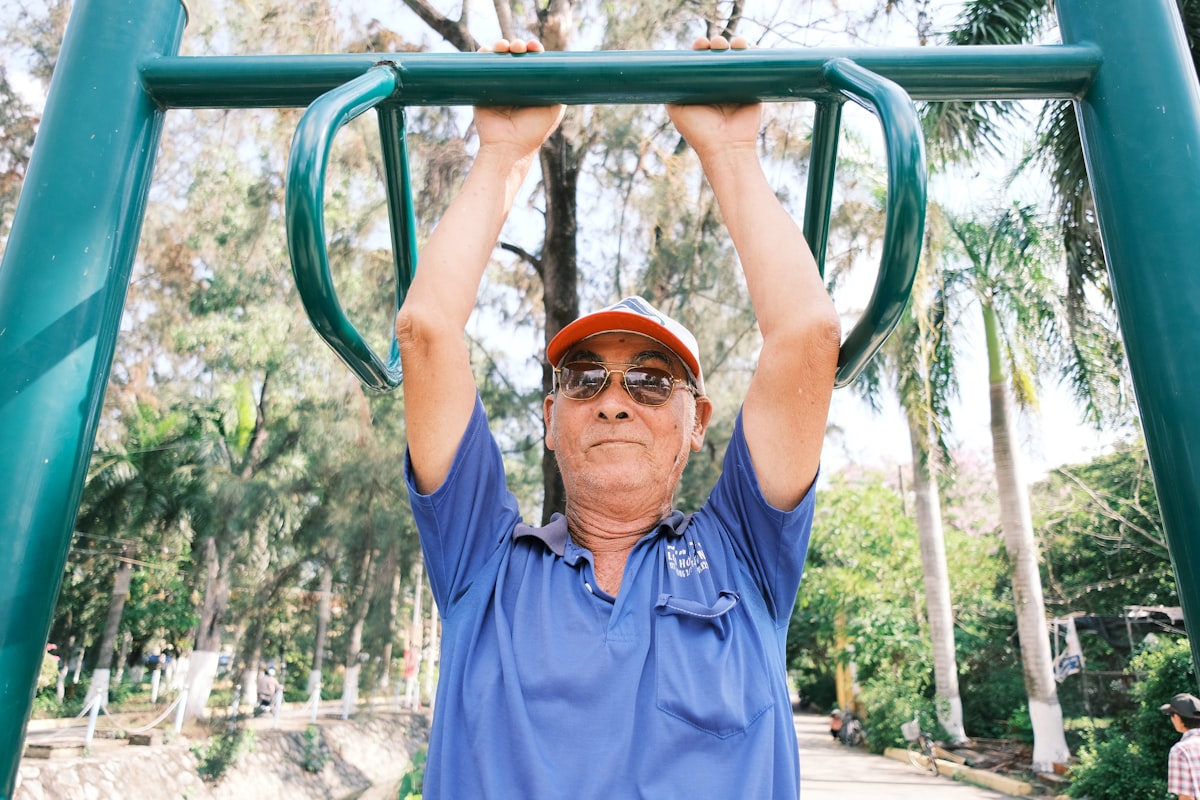
Why Bone Strength Matters at 50+
After age 50, men begin to lose bone density at an accelerated rate. Unlike women who experience rapid losses during menopause, male bone loss is gradual but significant. By age 70, approximately 1 in 4 men will experience a fracture related to weak bones.
Strong bones support independence, mobility, and quality of life. A serious fracture can trigger a cascade of health complications, reduced physical activity, and loss of autonomy. Proactive nutrition and lifestyle choices now can prevent these outcomes.
Our editorial platform guides you through evidence-based strategies to optimize your bone health naturally—covering dietary approaches, supplement science, exercise programming, and the nutritional factors that matter most for men navigating midlife and beyond.
Explore Bone Health GuideYour 4-Step Path to Stronger Bones
A framework for integrating bone-supporting nutrition into your daily routine, based on current nutritional science and practical lifestyle implementation.
Assess Your Intake
Evaluate your current calcium, vitamin D, magnesium, and protein consumption. Identify dietary gaps and establish baseline nutrient targets.
Optimize Diet & Supplements
Incorporate bone-supporting foods and evidence-based supplements. Focus on whole-food sources first, then address gaps with targeted nutrition.
Build Exercise Habits
Establish a routine of weight-bearing and resistance training. Consistency is key—bone responds to mechanical stimulus over months and years.
Monitor & Adjust
Track progress through periodic assessments. Adjust nutrition and activity based on results and evolving research insights.
What Our Readers Say
Real men sharing their experiences with implementing bone-supporting nutrition strategies from our educational content.
"The detailed articles on vitamin D and calcium absorption helped me understand why my previous approach wasn't working. I've completely restructured my diet based on the nutrition science explained here. My latest bone density scan showed improvement—something my family members said was unlikely at my age. Thank you for breaking down the research into practical steps."
Harjit Singh
Jakarta, Indonesia
"At 58, I was worried about my bone health but didn't know where to start. The Mensfitnutrpro articles are evidence-based without being overwhelming. The sections on protein requirements and resistance training programming gave me a clear roadmap. I appreciate how the information is tailored specifically to aging men—not generic fitness content."
Budi Wibowo
Bandung, Indonesia
"I suffered a minor fracture last year that shook my confidence. Rather than just worry, I found Mensfitnutrpro and committed to their nutrition and exercise framework. The content explains which nutrients actually prevent fractures—not just theoretical information. Six months in, I feel stronger and more informed about protecting my bone health going forward."
Rudi Hermanto
Surabaya, Indonesia
"As someone who avoids dairy, I was concerned about meeting calcium needs. The articles provided numerous plant-based and fortified food options with exact nutrient amounts. I now have a complete nutrition plan that aligns with my dietary preferences and supports my bone strength. Clear, practical, and scientifically sound."
Dani Kusuma
Medan, Indonesia
Common Questions About Bone Nutrition
Answers to frequently asked questions from our readers about bone health, nutrients, and lifestyle strategies for aging men.
At what age should men start focusing on bone strength?
Bone density typically peaks in your 30s and begins declining in your 40s. However, it's never too late to start. Men in their 50s, 60s, and beyond can maintain or even modestly improve bone density through proper nutrition and resistance training. The key is consistency and implementing strategies before significant loss occurs.
How much calcium do aging men actually need?
Men aged 50 and under need 1,000 mg of calcium daily; men 51 and older need 1,200 mg daily. This is best achieved through food sources like dairy, leafy greens, almonds, and fortified products. If dietary intake falls short, supplementation can fill the gap, but food-based calcium is generally more effective and better absorbed.
Can I get enough vitamin D from sun exposure alone?
It depends on your geographic location, sun exposure, and skin tone. Many men, especially those in tropical climates with limited sun exposure windows, cannot meet their vitamin D needs through sunlight alone. The recommended intake is 600–800 IU daily for most adults; those over 70 may benefit from higher amounts. Testing your levels helps determine if supplementation is necessary.
What type of exercise is best for bone strength?
Weight-bearing exercises (walking, jogging, jumping) and resistance training (weights, bodyweight) are most effective. Resistance training specifically stimulates bone-building cells. Aim for at least 150 minutes of moderate-intensity activity weekly, plus 2–3 days of strength training. Even men who start later in life see bone-building benefits within months.
Do I need supplements, or is food enough?
Whole foods should be your primary source—they provide not just minerals but also vitamins, antioxidants, and phytonutrients that work synergistically. However, if your diet consistently falls short in specific nutrients (calcium, vitamin D, magnesium), targeted supplementation is a practical solution. Our articles help you identify which supplements may be right for your situation.
How long before I see improvements in bone density?
Bone is a slowly remodeling tissue. You may notice improved strength and mobility within weeks of consistent exercise and nutrition. However, measurable changes in bone density typically appear on scanning after 6–12 months of sustained effort. The "improvement" is ongoing—think in terms of halting decline and maintaining your skeletal health long-term.
Start Your Bone Health Journey Today
Explore our comprehensive guides on bone-supporting nutrition, exercise science, and lifestyle strategies designed specifically for aging men. Discover evidence-based insights that help you maintain strength, independence, and vitality.
Questions or feedback about our content? Contact our editorial team.